
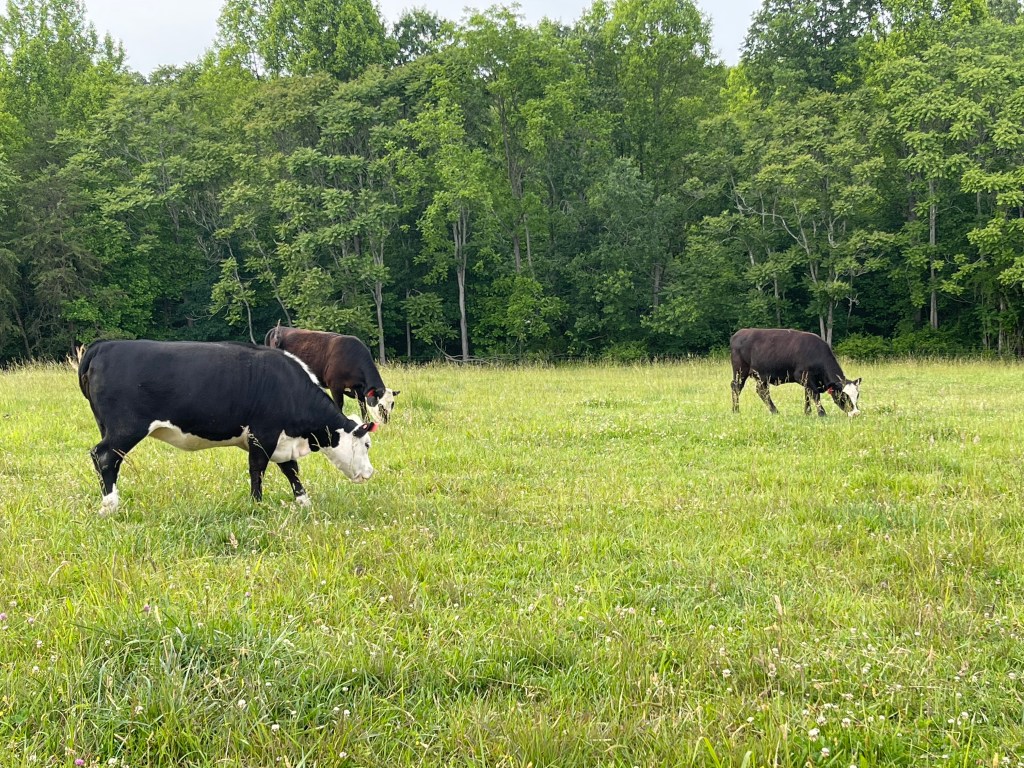
Raising cattle on pasture is a traditional and sustainable method that offers numerous benefits. Pasture-raised cattle have constant access to fresh air, exercise, and a diverse diet. Grazing on pasture allows cattle to forage on nutrient-rich grasses and natural forbs, resulting in healthier animals. This method promotes animal welfare and provides a more humane environment for the cattle.
Pasture-raised cattle also contribute to environmental sustainability. The grazing process helps improve soil health by cycling nutrients and increasing organic matter content. Additionally, cattle play a crucial role in carbon sequestration, as their grazing behaviors stimulate the growth of perennial grasses, which in turn capture and store carbon dioxide from the atmosphere.
Moreover, pasture-raised beef tends to be higher in nutritional value. The diverse range of grasses and forage consumed by the cattle imparts a distinct flavor to the meat. It is generally leaner, with a healthy balance of essential fatty acids such as omega-3 and omega-6.
In conclusion, raising cattle on pasture not only benefits the animals’ well-being but also contributes to sustainable agriculture and healthier beef. It’s an approach that combines environmental stewardship, animal welfare, and high-quality food production.


 Arrow Creek Farm