
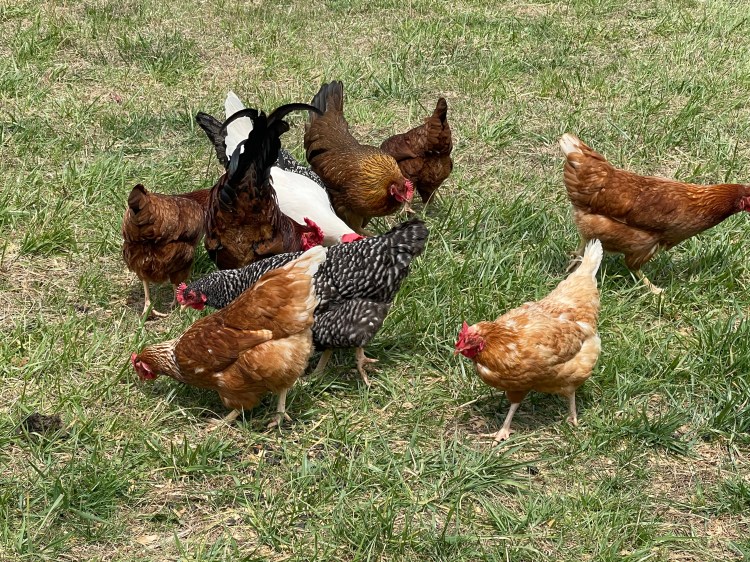
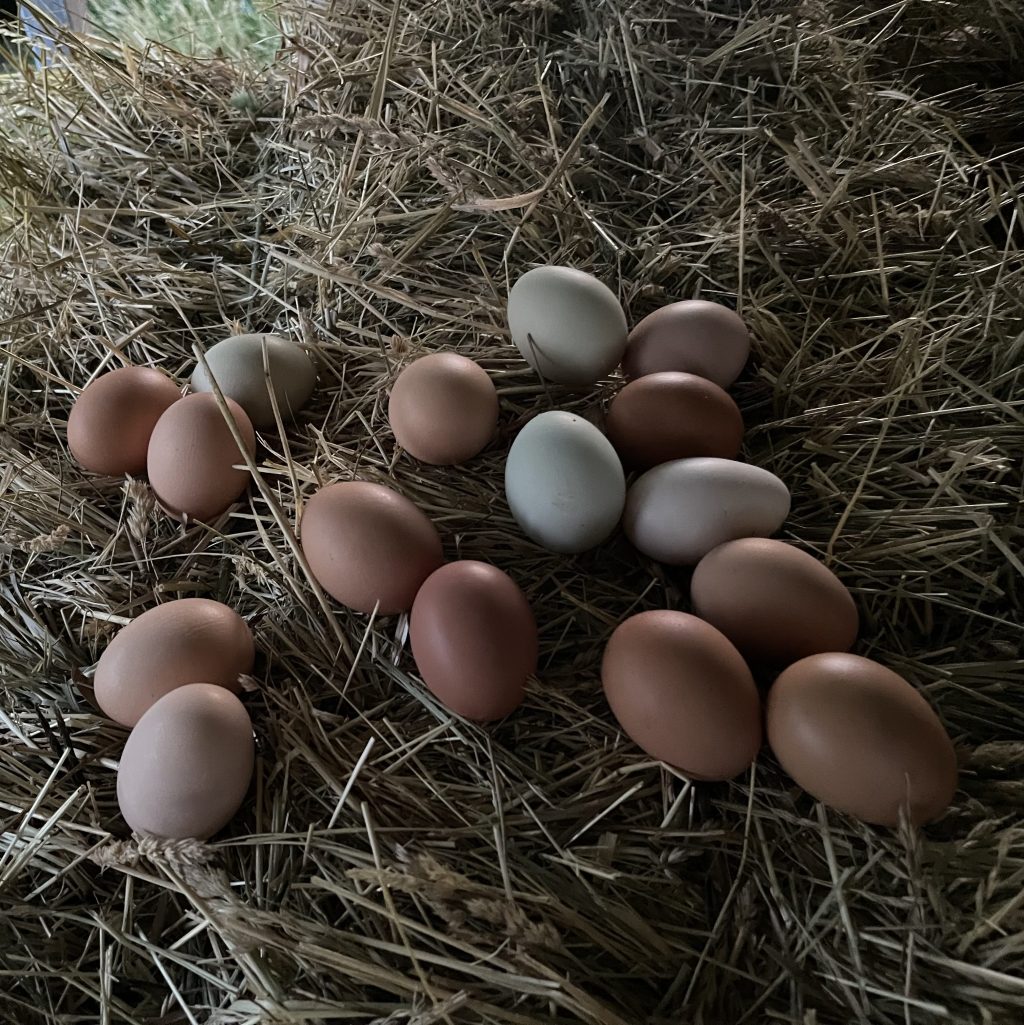
When it comes to eggs, there is a growing interest in understanding the difference between pasture-raised and factory-raised options. Pasture-raised eggs come from hens that have ample access to outdoor areas where they can roam, forage, and enjoy a more natural lifestyle. These hens feed on a diverse range of vegetation, insects, and other foods, resulting in eggs with a richer flavor and vibrant, golden yolks.
On the other hand, factory-raised eggs are produced in confinement systems, where hens are kept indoors, often in cramped cages or overcrowded barns. They are typically fed a controlled diet, consisting mainly of commercial feed. While these eggs are widely available and tend to be more affordable, they may lack the same nutritional value and taste as pasture-raised eggs.
Choosing pasture-raised eggs not only supports more humane animal welfare practices but also contributes to environmental sustainability. By allowing hens to graze on pasture, their natural behaviors are fostered, and the overall quality of life for the birds is improved. Additionally, pasture-raised systems promote ecological balance as hens help control pests and naturally fertilize the land.
Ultimately, the decision between pasture-raised and factory-raised eggs depends on personal preferences and values. While factory-raised eggs may offer convenience and affordability, pasture-raised eggs provide an opportunity to support healthier, more sustainable farming practices while enjoying eggs with superior taste and nutritional benefits.


 Arrow Creek Farm